
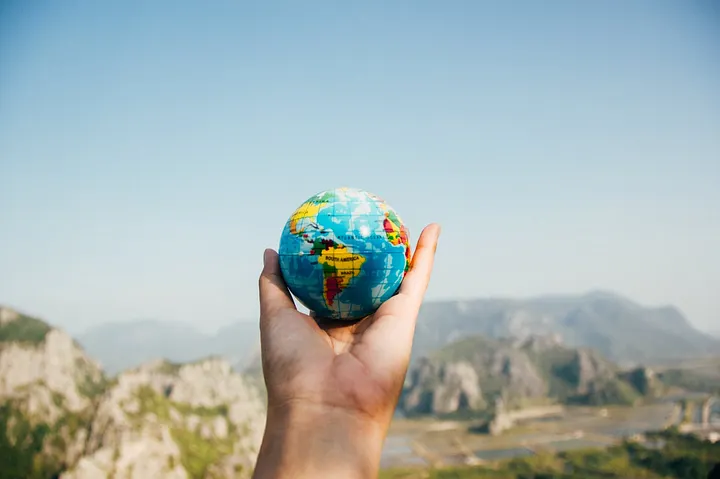
Travel is more than a leisure activity; it is a powerful way to broaden perspectives, gain new experiences, and develop a deeper understanding of the world. In an increasingly connected global society, travel allows individuals to explore different cultures, environments, and ways of life. Whether for relaxation, adventure, or personal growth, travel plays an important role in enriching both the mind and the spirit.
One of the greatest benefits of travel is exposure to diverse cultures. Visiting new destinations introduces travelers to different traditions, languages, cuisines, and social customs. This cultural immersion encourages open-mindedness and appreciation for diversity. By experiencing how people live in other parts of the world, individuals gain insight that cannot be learned through books or media alone. Such experiences foster respect, empathy, and a broader worldview.
Travel also contributes significantly to personal development. Navigating unfamiliar places, managing schedules, and adapting to new environments build confidence and independence. Travelers often face unexpected situations that require problem-solving and flexibility. These challenges strengthen resilience and decision-making skills, which can be applied to everyday life long after the journey ends.
Travel is a meaningful experience that allows individuals to explore new places, cultures, and perspectives. It provides an opportunity to step away from routine, gain fresh insights, and create lasting memories. Through travel, people develop adaptability, appreciation for diversity, and a deeper understanding of the world. Whether for relaxation or discovery, travel enriches life by broadening horizons and encouraging personal growth.
In addition to personal growth, travel offers a valuable escape from routine and stress. Stepping away from daily responsibilities allows individuals to recharge mentally and emotionally. Natural landscapes, historical sites, and peaceful destinations provide opportunities for relaxation and reflection. Even short trips can improve overall well-being by reducing stress and promoting a sense of balance.
Travel also has educational value. Exploring historical landmarks, museums, and natural wonders helps people understand the past and appreciate the world’s geographical and cultural richness. Students and professionals alike benefit from experiential learning that travel provides. These firsthand experiences deepen knowledge and create lasting memories that enhance learning beyond traditional classroom settings.
From an economic perspective, travel supports global development. Tourism generates employment, supports local businesses, and contributes to infrastructure growth in many regions. Responsible travel practices help sustain local economies while preserving cultural heritage and natural resources. Travelers who make conscious choices—such as supporting local services and respecting the environment—play an important role in promoting sustainable tourism.
Technology has made travel more accessible and efficient than ever before. Online booking platforms, navigation tools, and digital translation services have simplified trip planning and communication. Social media and travel blogs inspire people to discover new destinations and share experiences. As a result, travel has become more inclusive, enabling people from different backgrounds to explore the world with greater ease.
Travel is a valuable activity that contributes to personal development and cultural understanding. It enables individuals to experience different environments, traditions, and ways of life, thereby broadening perspectives and enhancing global awareness. By stepping beyond familiar surroundings, travel promotes adaptability, reflection, and a deeper appreciation for diversity. Overall, travel serves as an important means of enrichment, offering both educational and personal benefits.
However, meaningful travel requires responsibility. Respecting local customs, protecting the environment, and being mindful of cultural differences are essential aspects of ethical travel. Sustainable practices ensure that destinations remain preserved for future generations while maintaining positive relationships between travelers and host communities. travel is a valuable experience that goes beyond sightseeing. It encourages cultural understanding, personal growth, education, and global connection. Through travel, individuals gain new perspectives, create meaningful memories, and develop skills that enhance their lives. When approached thoughtfully and responsibly, travel becomes a powerful tool for learning, self-discovery, and appreciation of the world’s diversity.