Technology has moved beyond being a supporting tool and has become the foundation upon which modern society is built. In today’s digital-first world, technology influences decision-making, reshapes industries, and redefines how individuals interact with information and each other. Its continuous evolution is not only accelerating progress but also setting new standards for efficiency, innovation, and global connectivity.
One of the most defining characteristics of modern technology is its ability to transform traditional systems into intelligent, adaptive ecosystems. Businesses now rely on advanced digital infrastructures to operate, analyze performance, and predict future trends. Data analytics, artificial intelligence, and machine learning allow organizations to extract meaningful insights from vast amounts of information. These technologies improve accuracy, reduce operational risks, and enable faster responses to market changes. As a result, technology has become a strategic asset rather than a mere operational requirement.
The workplace has undergone a significant transformation due to technological advancement. Digital collaboration platforms, cloud-based systems, and automation tools have changed how work is structured and delivered. Employees are no longer limited by physical locations, allowing companies to adopt flexible work models and access a broader talent pool. Automation has also increased productivity by handling repetitive tasks, enabling professionals to focus on innovation, problem-solving, and strategic planning.
Technology’s impact on information access is equally profound. The internet has created a knowledge-driven society where information is available instantly. Search engines, digital libraries, and online platforms have reshaped how people learn, research, and make decisions. This democratization of information has empowered individuals and businesses alike, fostering innovation and encouraging continuous learning. In an era where industries evolve rapidly, the ability to acquire new skills through digital platforms has become essential.
In the healthcare sector, technology continues to redefine patient care and medical efficiency. Advanced diagnostic tools, electronic health systems, and telemedicine solutions have improved accuracy and accessibility. Healthcare professionals can now deliver remote consultations, monitor patient data in real time, and use predictive technologies to identify health risks earlier. These advancements contribute to better outcomes while reducing costs and improving the overall patient experience.
Security and ethical responsibility have become critical considerations as technology becomes more integrated into daily life. The increasing reliance on digital systems has raised concerns around data protection, privacy, and cyber threats. Organizations must prioritize cybersecurity strategies to safeguard sensitive information and maintain user trust. Ethical considerations, particularly in artificial intelligence and data usage, demand transparency and accountability to ensure technology serves humanity responsibly.
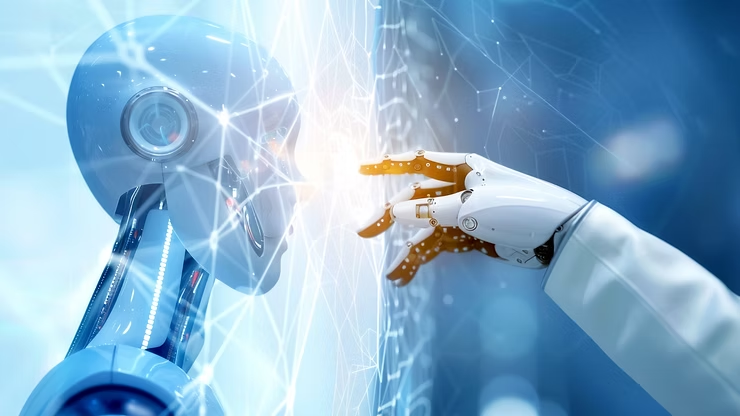
Looking ahead, emerging technologies such as artificial intelligence, blockchain, quantum computing, and the Internet of Things will continue to redefine industries and lifestyles. These innovations promise greater efficiency, transparency, and connectivity, but they also require adaptability and continuous learning. Those who embrace change and invest in digital skills will be better positioned to thrive in an increasingly technology-driven world.
Technology also plays a pivotal role in addressing global challenges. Innovations in renewable energy, smart infrastructure, and environmental monitoring support sustainable development efforts. Intelligent systems help optimize energy usage, reduce waste, and minimize environmental impact. As sustainability becomes a global priority, technology provides the tools necessary to create long-term, environmentally responsible solutions.
Looking toward the future, emerging technologies such as artificial intelligence, blockchain, and the Internet of Things are expected to further disrupt traditional models. These innovations promise enhanced connectivity, greater transparency, and smarter systems across industries. However, success in this evolving landscape will depend on adaptability, digital literacy, and a willingness to embrace change.more over, technology is not simply shaping the future—it is defining it. Its influence spans every sector, driving efficiency, innovation, and global integration. As technological advancements continue to accelerate, their true value will be measured by how effectively they are applied to create progress, ensure security, and improve quality of life. Embracing technology with purpose and responsibility will be essential in building a resilient and forward-thinking digital society.