Africa is more than a geographical expanse; it is a living, evolving continent that has shaped human history and continues to influence the modern world. As the second-largest continent by both land area and population, Africa is home to over 1.4 billion people, thousands of ethnic groups, and an extraordinary range of cultures, languages, landscapes, and traditions. From ancient civilizations to fast-growing modern cities, Africa represents a powerful blend of heritage, resilience, and opportunity.
Historically, Africa is widely recognized as the cradle of humanity. Archaeological discoveries across East and Southern Africa have provided some of the earliest evidence of human life, underscoring the continent’s foundational role in global history. Great civilizations such as Ancient Egypt, the Kingdom of Kush, Mali, Great Zimbabwe, and Ethiopia flourished long before European colonial expansion, contributing advancements in governance, trade, architecture, mathematics, and art. These civilizations were deeply connected through trans-Saharan and Indian Ocean trade routes, linking Africa to Asia, the Middle East, and Europe.
Culturally, Africa is unmatched in its diversity. The continent is home to over 2,000 languages and countless cultural traditions expressed through music, dance, storytelling, fashion, and art. African cultural influence extends far beyond its borders, shaping global music genres, literature, cuisine, and contemporary fashion. Traditional values such as community, respect for elders, and collective responsibility remain deeply embedded in many African societies, even as modern lifestyles continue to evolve.
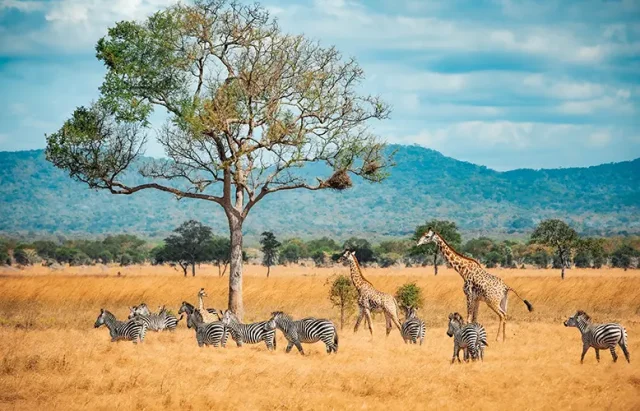
Africa’s natural environment is equally remarkable. The continent boasts vast deserts, tropical rainforests, savannas, mountain ranges, and some of the world’s most diverse wildlife. Iconic landmarks such as the Sahara Desert, Mount Kilimanjaro, the Nile River, and the Serengeti ecosystem highlight Africa’s ecological importance. These natural resources not only support tourism but also play a critical role in global biodiversity and environmental sustainability. However, climate change, deforestation, and environmental degradation pose serious challenges that require coordinated local and international solutions.
in other words Economically, Africa is undergoing significant transformation. Once largely characterized by agriculture and raw material exports, many African nations are now embracing technology, innovation, and industrialization. Cities such as Lagos, Nairobi, Kigali, Cape Town, and Accra are emerging as hubs for entrepreneurship, fintech, creative industries, and digital innovation. Africa has the youngest population in the world, presenting both a challenge and a tremendous opportunity. With the right investments in education, infrastructure, and healthcare, this youthful demographic could drive long-term economic growth and global competitiveness.
in most cases Despite its potential, Africa continues to face complex challenges, including poverty, political instability in some regions, inequality, and limited access to quality education and healthcare. The legacy of colonialism, unfair global trade systems, and internal conflicts has left lasting impacts. However, it is important to recognize that Africa is not defined by its struggles alone. Across the continent, communities, governments, and organizations are actively working toward sustainable development, democratic governance, and social progress.
In the global context, Africa’s importance is steadily increasing. The continent holds vast mineral resources critical to modern technologies, plays a growing role in international politics, and represents a key market for future economic expansion. As global attention shifts toward Africa, it is essential to move beyond stereotypes and view the continent through a balanced and informed perspective—one that acknowledges both its challenges and its immense potential. Africa is a continent of depth, strength, and promise. Its rich history, cultural diversity, natural beauty, and emerging economies position it as a central player in shaping the future of the world. Understanding Africa requires curiosity, respect, and a willingness to see beyond simplistic narratives. As Africa continues to rise, its voice, innovation, and influence will increasingly shape the global story.