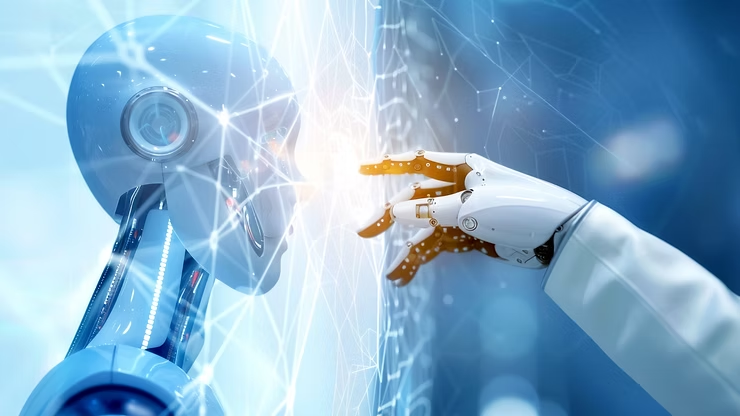

Technology is no longer just a tool we use—it has become a lifestyle we live. From the moment we wake up to the moment we go to sleep, technology silently shapes our decisions, behaviors, and interactions. It influences how we learn, how we work, how we form relationships, and even how we understand ourselves. In many ways, technology is not simply changing the world; it is redefining what it means to live in it.
Technology is most powerful when it complements human values rather than replacing them. By maintaining balance between digital advancement and real-world experiences, individuals and societies can ensure that progress remains meaningful. Thoughtful innovation has the potential to improve lives while preserving creativity, empathy, and human connection.
One of the most profound shifts driven by technology is the way it has changed human thinking. Access to instant information has transformed curiosity into action within seconds. Questions that once required time, effort, and exploration are now answered immediately. While this has empowered people with knowledge, it has also reshaped attention spans, decision-making habits, and expectations. Speed has become the new standard, and efficiency is often valued more than depth.
Technology has also blurred the boundaries between physical and digital life. Online identities, virtual communities, and digital experiences now hold as much significance as real-world interactions. People build careers, friendships, and reputations in digital spaces that did not exist a generation ago. This shift has created new opportunities for expression and connection, while also raising important questions about authenticity, privacy, and balance.
In the workplace, technology has redefined the concept of productivity. Success is no longer measured by hours spent at a desk but by results, adaptability, and innovation. Remote work, digital collaboration tools, and automation have given individuals more flexibility and autonomy. At the same time, they demand new skills such as digital literacy, self-management, and continuous learning. The modern professional is expected not just to use technology, but to evolve alongside it.
Technology has also transformed creativity. Artists, writers, designers, and entrepreneurs now use digital tools to bring ideas to life faster and on a larger scale. A single individual can reach a global audience, build a brand, or launch a business with minimal resources. Technology has democratized opportunity, allowing talent and innovation to rise regardless of geography or background.
However, this deep integration of technology into daily life comes with responsibility. Overdependence on digital systems can lead to reduced human interaction, mental fatigue, and loss of focus. The challenge is no longer access to technology, but mindful usage. Learning when to disconnect, how to protect personal data, and how to maintain human values in a digital world has become essential.
As technology continues to integrate into everyday life, the ability to use it consciously becomes increasingly important. When innovation is guided by purpose rather than convenience alone, technology can enhance creativity, strengthen human connections, and support personal growth. The future of technology depends not only on what we create, but on how thoughtfully we choose to use it.
Looking forward, technology will continue to evolve at an unprecedented pace. Artificial intelligence, immersive virtual environments, and intelligent systems will further integrate into everyday life. The key question is not whether technology will advance, but how consciously society will shape its role. The future will belong to those who can use technology as a tool for growth rather than allowing it to become a source of control.
technology is not just changing what we do—it is changing who we are becoming. When approached with awareness and purpose, it has the power to enhance human potential, creativity, and connection. The true value of technology lies not in its complexity, but in how wisely it is used to support a more meaningful and balanced life.